

Kreateur’s Digest / MEDIA EDITION / Issue 003
Prism Light Lab: hold light still.
A glass prism, eight mineral palettes and a little room to experiment. Shape the light, find a composition and keep it.
Open Prism Light Lab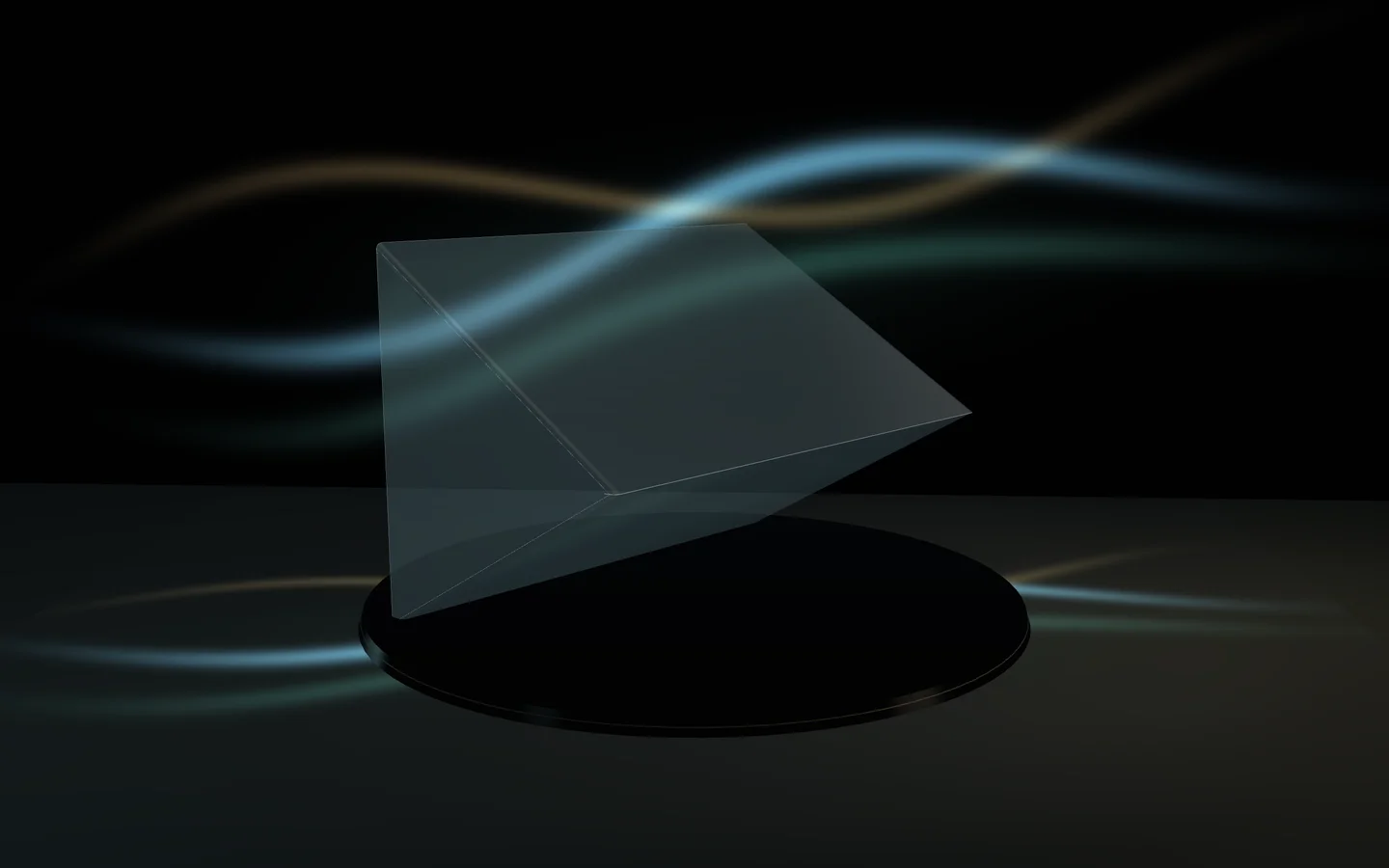
Prism Light Lab is a Kreateur Media experience. This Media Edition is published on Kreateur Media and introduces our own work; it is not an independent review.
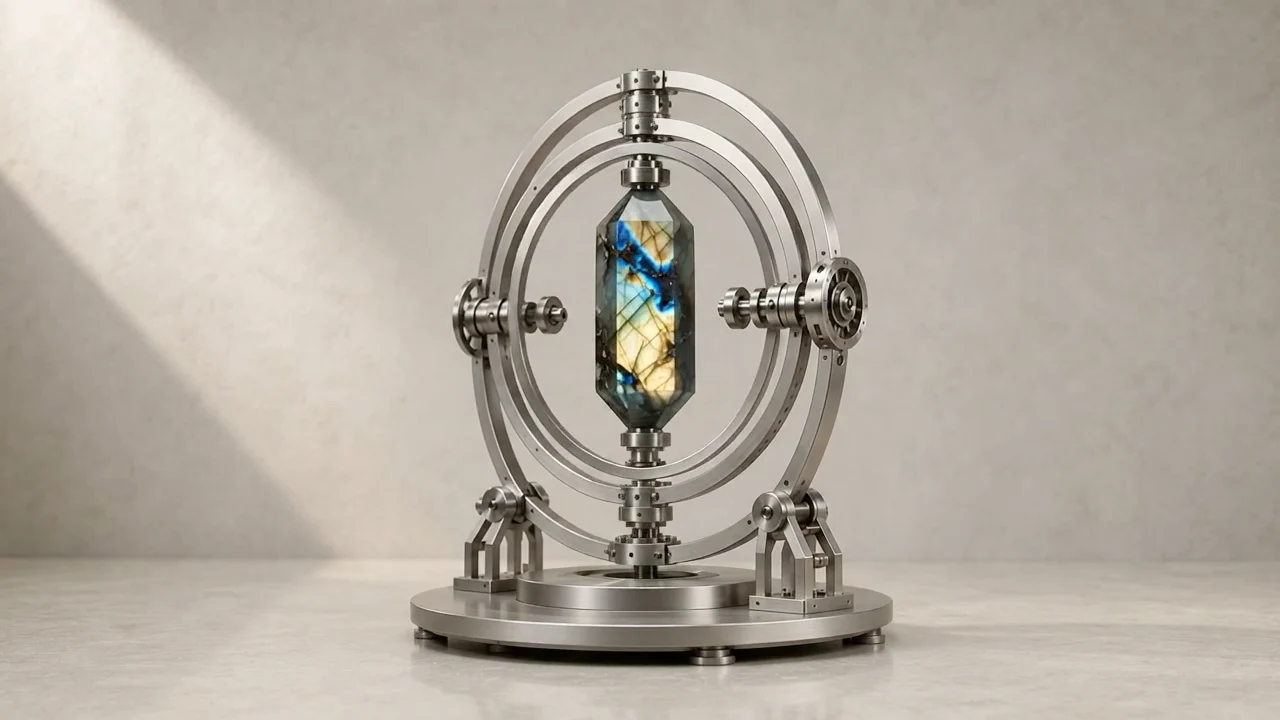
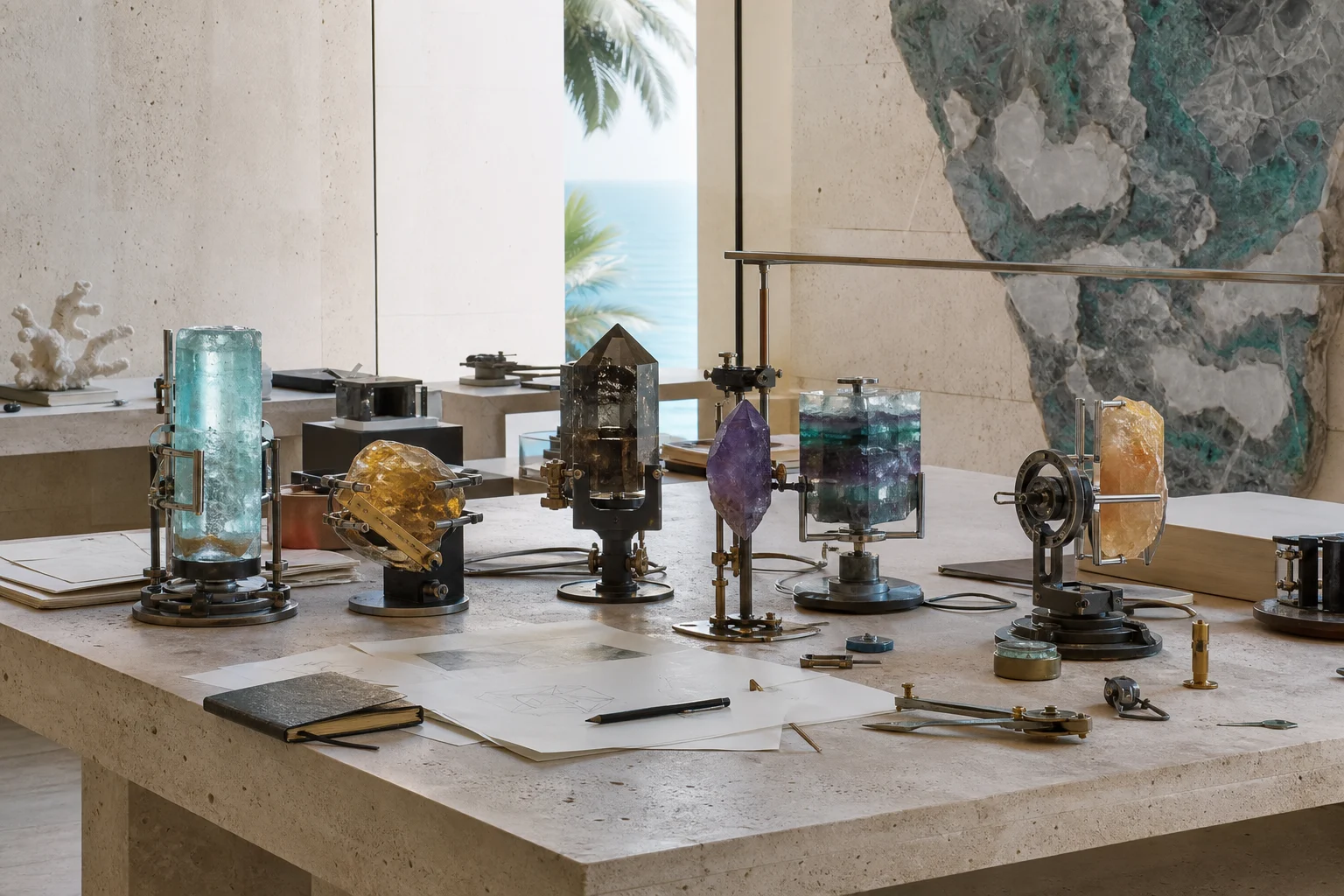
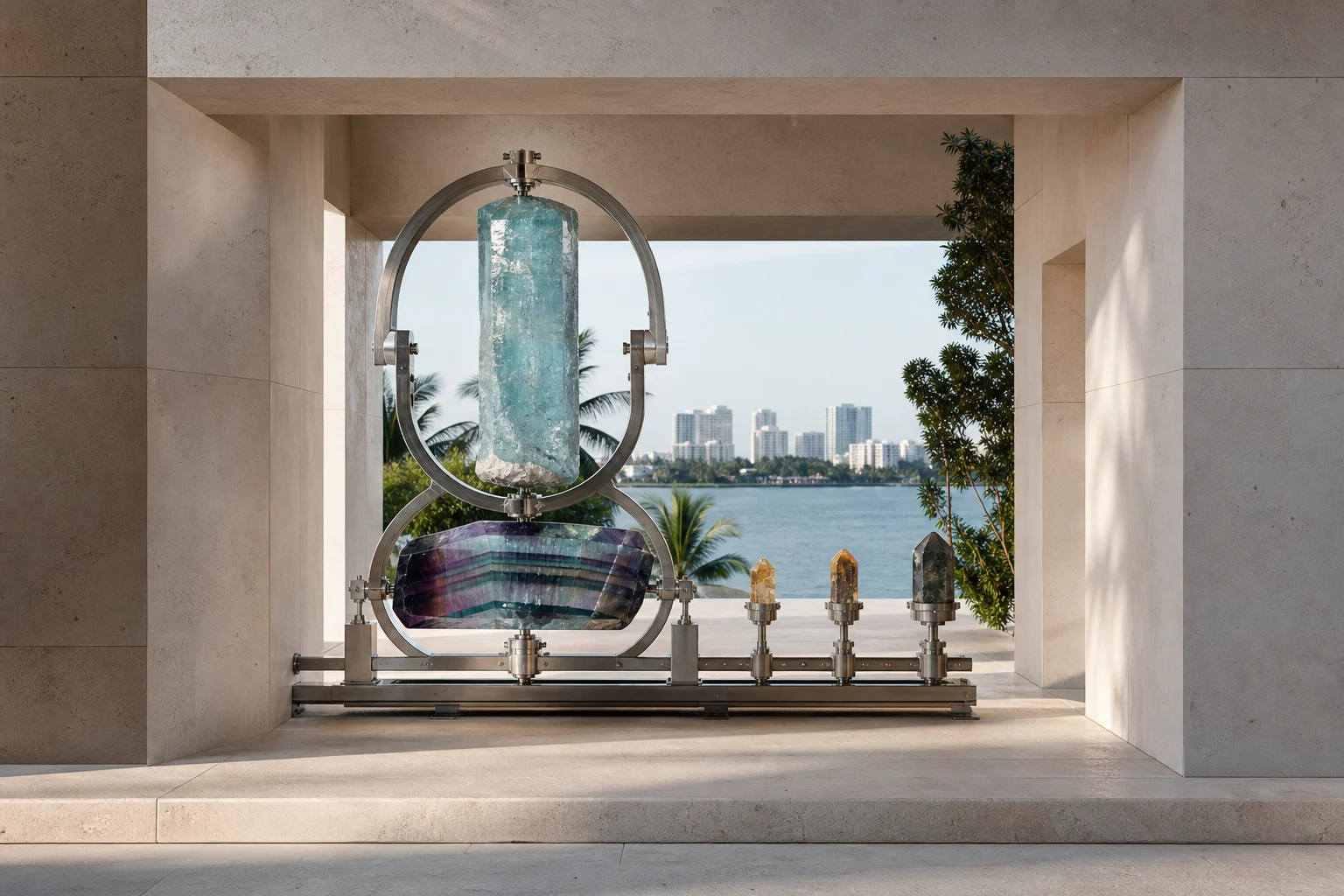
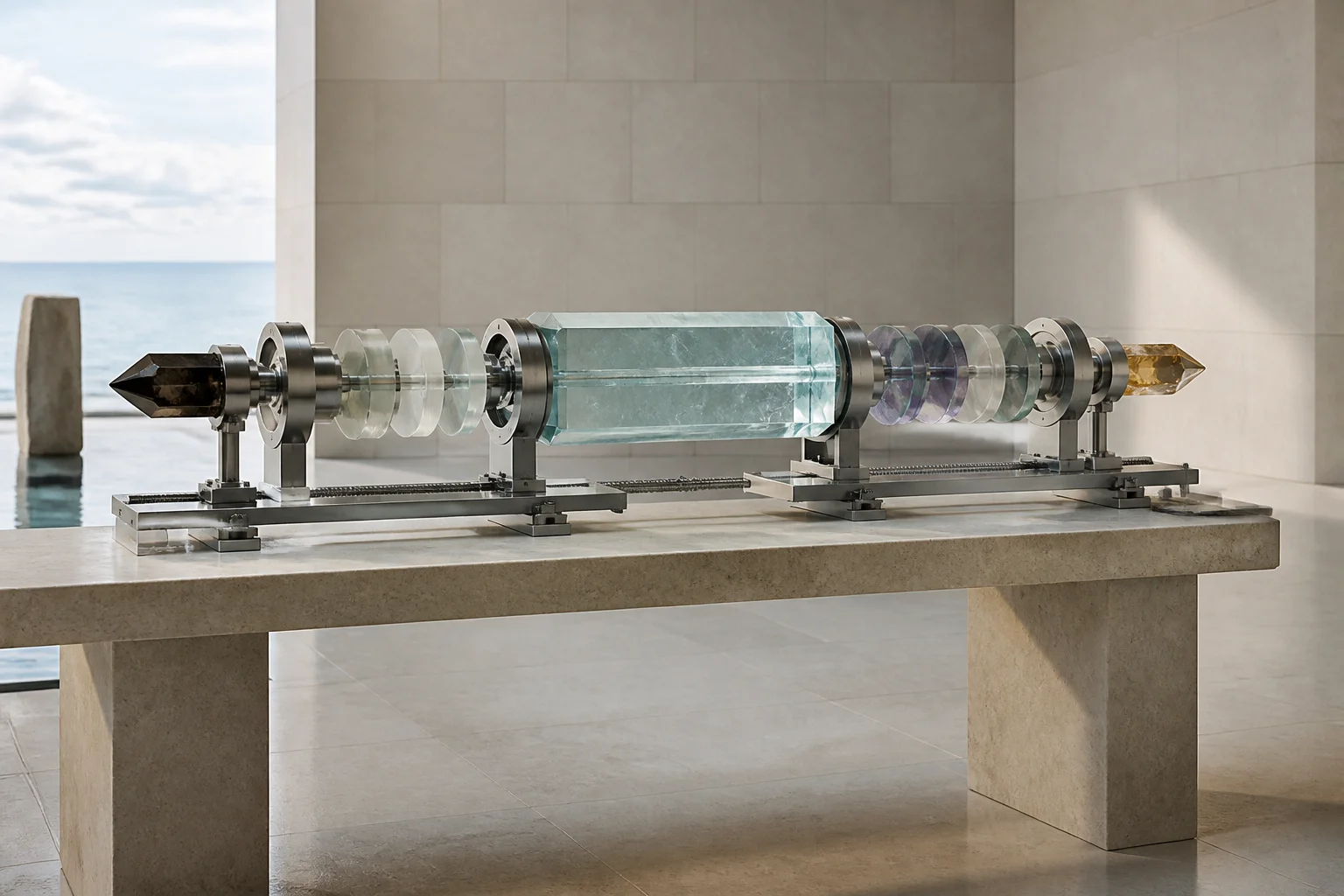
A glass form stands in a dark room. Move the light a little and a thin seam becomes a broad wash. Move it again and the brightest part slips away. The object has barely changed. What you notice has.
Prism Light Lab is a free browser-based light studio by Kreateur Media. Arrange light around a glass prism, explore eight mineral-inspired palettes and download a watermark-free PNG. No account or image upload is needed. The scene and its export are created on your device.
Make a small change. Look again.
The studio gives you a deliberately narrow set of materials: a prism, a light, a surface and color. There is no blank page to conquer. Start by moving the light around the glass. Watch the edges, then the space beside them. A composition can arrive through a change in angle rather than through adding more.
Use the light controls to adjust its direction and height. Try a low angle, then lift it. Let the prism turn when you want to explore, and freeze the movement when something catches your attention. Stillness is part of the tool: you can compare a new palette or adjust the light without losing the moment to an animation.
Eight ways to read the same glass.
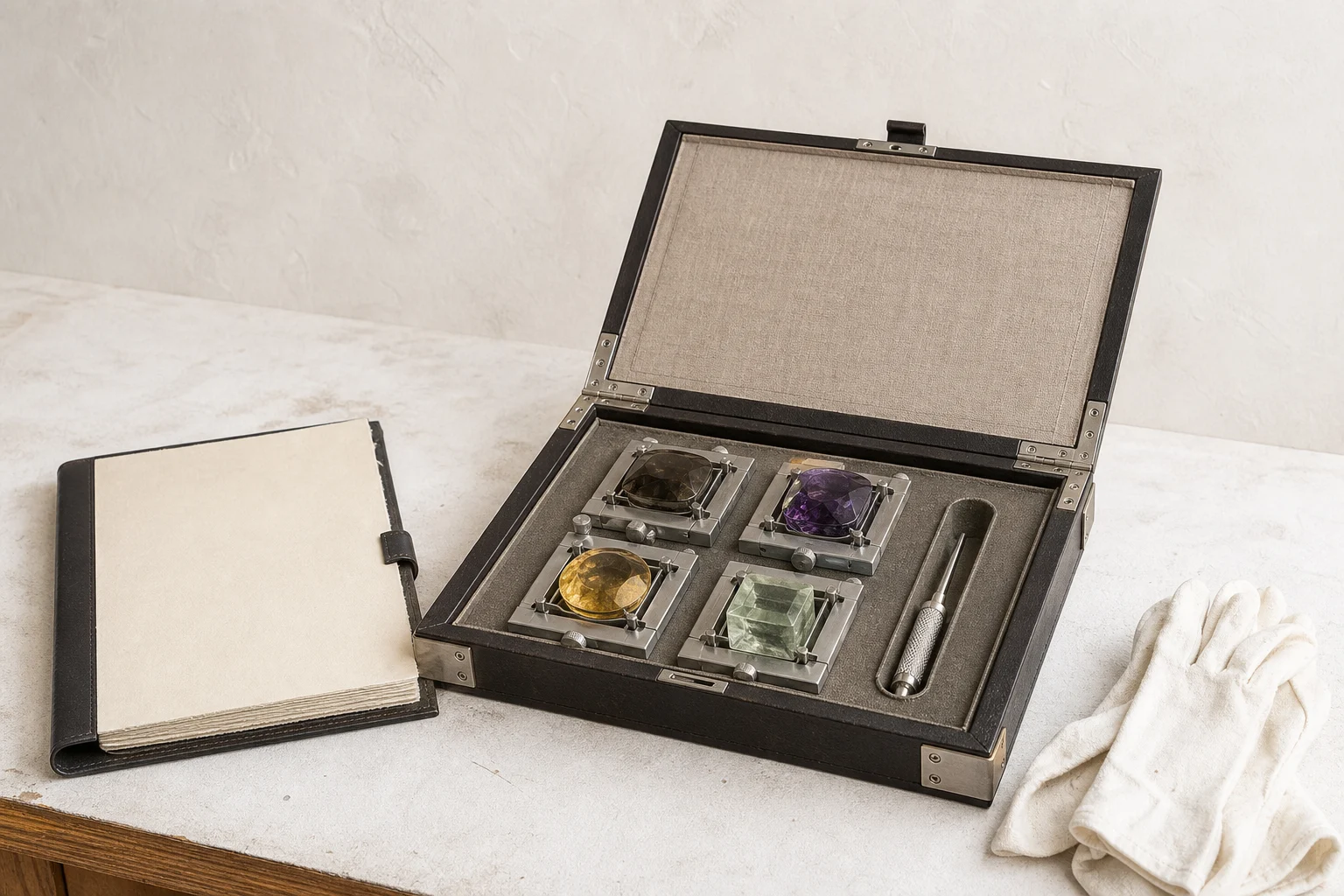
Labradorite begins with blue, green and warm gold. Malachite moves into deeper greens. Rose quartz brings pink and muted violet; Amber leans toward honey and rust. Amethyst offers violet and lilac, Aquamarine suggests ice blue and sea glass, Carnelian warms the scene with ember and terracotta, and Moonstone settles into pearl and silver blue.
These are artistic palettes inspired by minerals. The glass, colored light and projected patterns form an expressive digital scene, not a scientific simulation of a particular crystal or its optical properties. The mineral names are invitations to color, not identification claims.
Keep one light position and visit several palettes. Notice which one leaves enough darkness for the bright areas to feel deliberate. Then adjust the color spread. A quieter result may be more useful than the most saturated one, especially when you want an image to live behind something else.
A study you can take with you.
Begin with Labradorite. Move the light slowly across one side of the prism, then pause. Try changing its height before changing the palette. Save the version that first interests you; you can always make another. Working in small variations makes the differences easier to see.
Choose landscape for a 2400 × 1500 pixel PNG, portrait for 1350 × 2400, or square for 2000 × 2000. Check the composition in your chosen format before downloading. A wide scene and a tall scene give the prism different amounts of breathing room.
Use the result as a desktop background, a phone wallpaper, a mood-board study or a starting point for a design. Leave quiet space where a clock or headline might sit. The export contains the artwork itself, without a watermark; add your own typography in the design tool you prefer.
Another room in the atelier.
Liquid Atelier follows the movement of flowing color. Prism Light Lab asks what a single object can reveal when its lighting changes. Both begin with a small gesture and leave room for an unexpected image. You do not need a finished idea before you enter.
The useful question is simple: what happens if I change just this? A little height. A different tint. A moment held still. The answer is something you can look at, compare and keep.
A temporary studio. An ordinary download.
This 180-day release closes March 9, 2027 at 8:00 p.m. Miami time. Download anything you want to keep before leaving. The studio does not save your session, so refreshing or closing the page can discard your arrangement.
The live studio needs JavaScript and WebGL graphics support. If it cannot run on your device, this article and its example image remain available. The experience uses Three.js, the MIT-licensed graphics library by Mr.doob and contributors. Kreateur Media created this light studio, its mineral palettes and the interface around it.
Behind the glass.
Built with Three.js, the MIT-licensed graphics library by Mr.doob and contributors.
Explore Three.js and its licenseHeader artwork: a Labradorite palette study rendered in Prism Light Lab. Experience and article by Kreateur Media.